The short answer
An exhibition shot list should cover the stand before opening, your people, products, demonstrations, visitor interaction and short interviews. Assign each priority to a time and a planned use so the most valuable moments do not depend on chance.
A busy exhibition stand gives you plenty to capture, but it also makes it easy to finish with lots of similar clips and very little useful storytelling. Decide what the audience needs to understand about your brand before deciding where the camera should point.
Start with the commercial purpose
Are you introducing a device, recruiting distributors, supporting a product launch or strengthening relationships with existing customers? Each objective changes the brief. A product launch needs the device in use and a clear explanation. A distributor conversation may need founder interviews, stand activity and material suitable for a follow-up email.
Write down three priorities, the people responsible for each and where the content will be published. This turns a general request for coverage into a practical production plan.
Capture the stand before the doors open
Allow a short window before visitors arrive. Record the stand from a wide angle, readable brand signage, product displays, literature, team portraits and small details. This is the best opportunity to capture a clear view of the stand before bags, cups and busy conversations change the scene.
- Wide view showing the complete stand and location.
- Readable logo and product names.
- Product details, screens and display materials.
- Team portrait and individual introductions.
- A short opening clip welcoming visitors to the stand.
Make demonstrations a scheduled priority
Ask for demonstration times in advance. Capture a wide establishing view, the expert explaining, close details and the audience's response. If the demonstration needs spoken explanation, arrange suitable audio rather than relying on the exhibition floor's ambient sound.
Record both the action and its context. A close-up can be visually strong, but it is more useful when the edit also explains what the visitor is seeing. Confirm participant permissions before directing a demonstration for publication.
Include people and conversations
Show team members greeting visitors, explaining products and answering questions. Combine candid atmosphere with a few short, directed interviews. Keep the interview brief to one idea per answer, and ask the speaker to use the product or brand name naturally so the clip makes sense on its own.
Plan formats before filming
Vertical social edits and landscape website footage have different framing needs. Tell the crew which channels matter before the day. Leave room around the subject where captions or different crops will be needed, and capture readable signage as a separate shot.
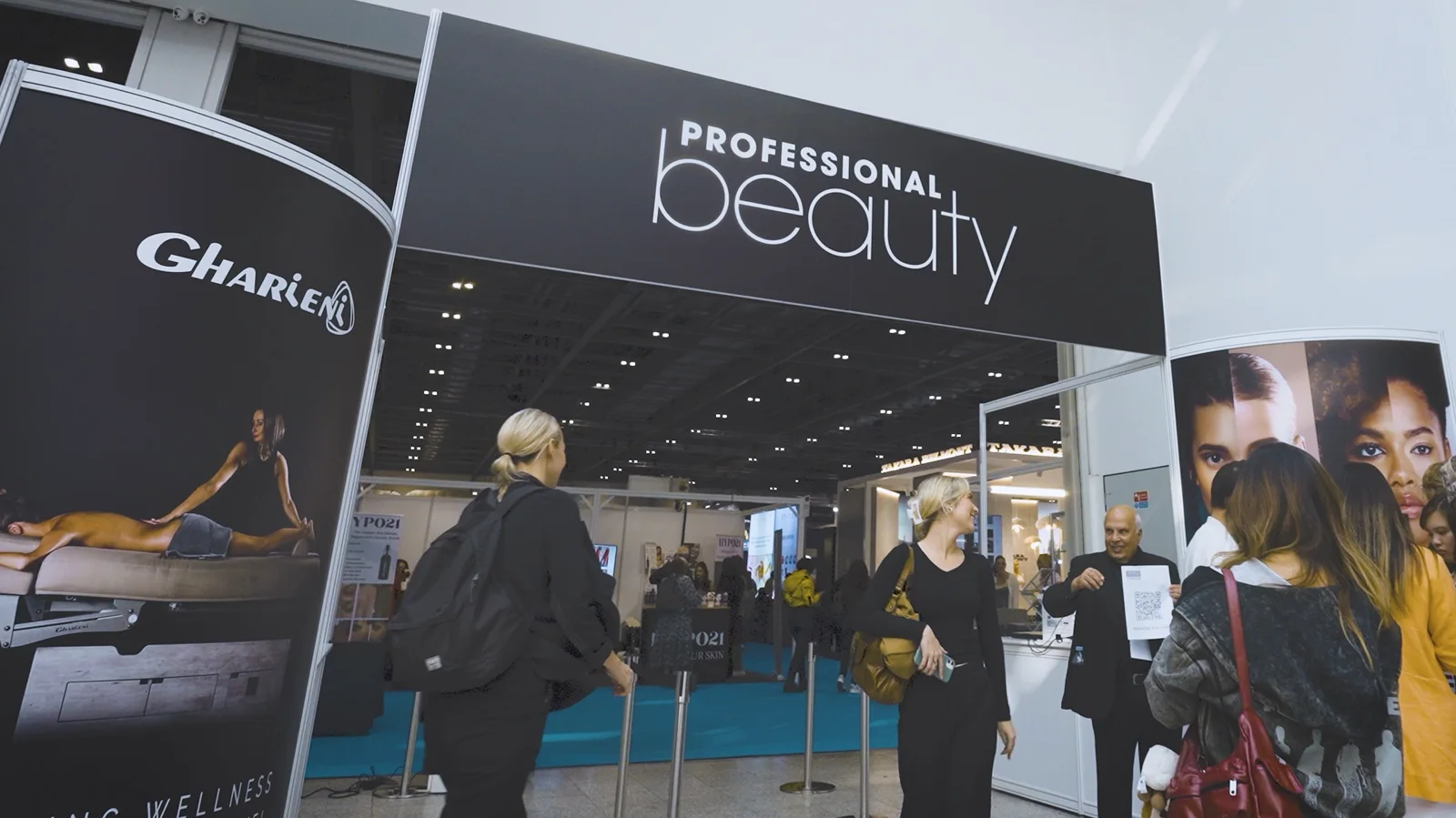
For events such as Professional Beauty London, which brings together beauty, spa and clinic audiences, different visitors may need different messages. A clear interview or product clip is often easier to repurpose than an edit that tries to include the entire day.
Finish with a delivery checklist
Before wrapping, check the brief with your on-site contact. Confirm that priority demonstrations, team members, product details and partner requirements have been captured. Agree how files will be named and when the first edits will be ready.
Your final shot list should fit the coverage hours you have booked. Add a priority level to each item so the team can protect the essential material when the agenda changes.