The short answer
A useful event interview needs one clear subject, a short reserved slot, a quieter location and a planned audience. Ask the speaker for one complete answer at a time, then build each edit around that answer.
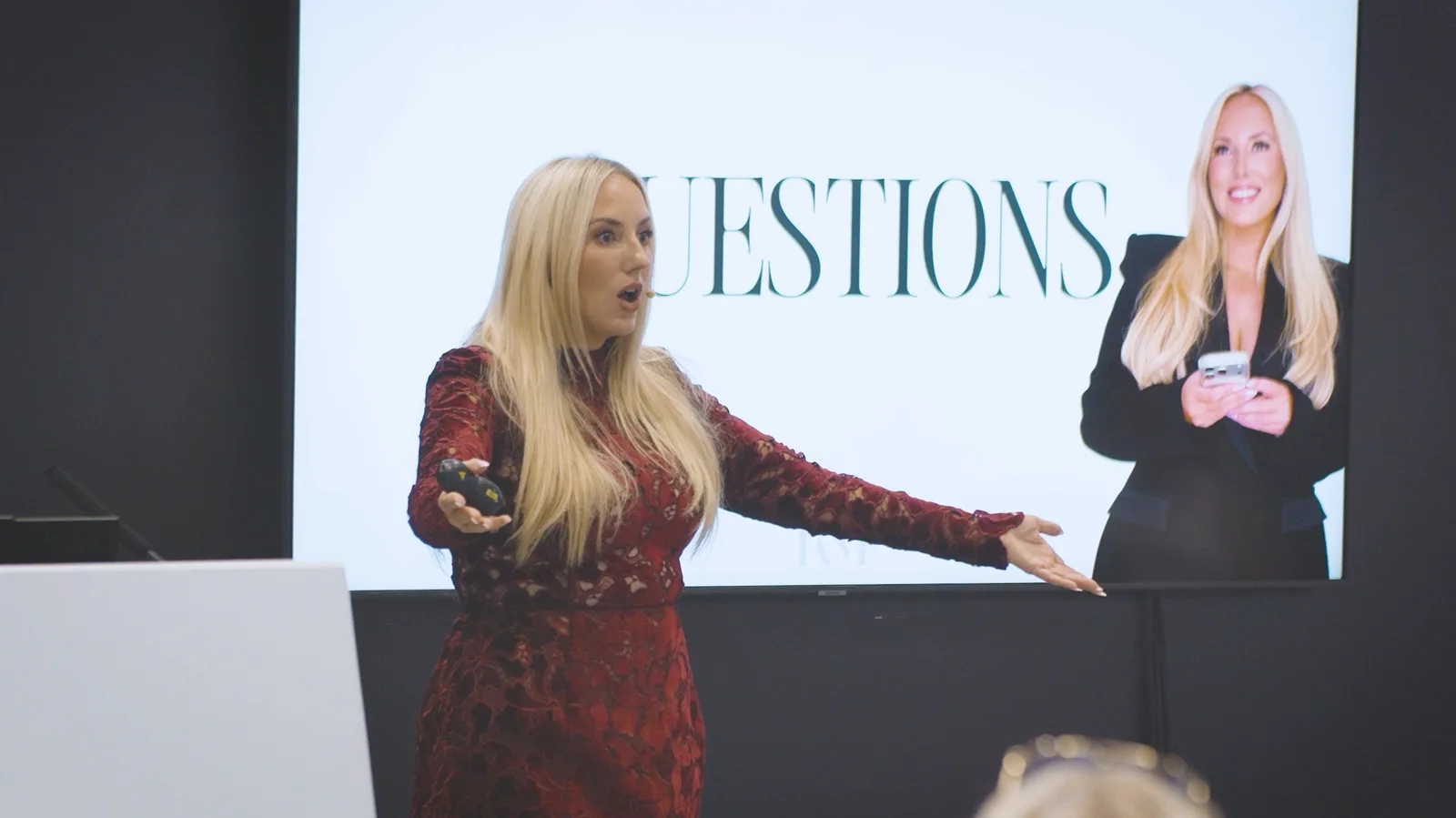
Industry events bring experienced people into the same place for a short period. Interviews can preserve their insights, introduce the people behind a brand and explain ideas that are difficult to communicate with a recap film alone.
Choose the audience before the questions
Patients, practitioners, salon owners and distributors bring different questions. An expert interview for a practitioner audience can assume more subject knowledge. A public-facing brand clip needs plain language and a clear explanation of why the topic matters.
Events such as CCR combine medical aesthetic education, industry exhibitors and networking. Plan which part of that experience your interview should explain rather than asking a broad question about the whole event.
Reserve the slot and the space
Share the interview request before the event. Confirm the speaker, topics, approximate recording time and intended channels. Reserve a location away from loudspeakers, demonstration queues and constant foot traffic where possible.
Leave time for microphone fitting, a sound check and a repeat of an unclear answer. A five-minute conversation is not the same as a five-minute production slot. Build a realistic buffer between interviews and avoid scheduling them against the speaker's main session.
Ask questions that produce complete answers
Open questions usually give editors more useful material than yes-or-no prompts. Ask the speaker to repeat enough of the question in the answer for the clip to stand alone. Keep each answer focused on one point.
- What is the most useful idea you want attendees to take away?
- What question have visitors asked your team most often today?
- What should a practitioner understand before exploring this topic further?
- What led your team to develop this product or approach?
- What made this demonstration valuable for the audience?
Get the technical basics right
Use a suitable microphone, check the recording and monitor background noise. Position the speaker so the background gives context without making the frame cluttered. Confirm whether the final output needs vertical video, landscape video or both before framing.
Record the speaker's name, role and preferred spelling separately. Capture a few relevant supporting shots after the interview, such as the product display, demonstration or speaker on stage. These give the edit context and help cover cuts naturally.
Direct for clarity, not performance
A calm, natural answer is often more useful than a memorised script. Give the speaker a clear prompt, let them finish and ask a focused follow-up when needed. If an answer is long, ask for the central point again in one or two sentences.
Check terminology, brand names and any claims with the appropriate contact before publication. Agree the review process and intended usage at the briefing stage so delivery does not stall after the event.
Build a library of individual ideas
One interview can support several focused edits if the answers cover different subjects. Organise the files by speaker and topic, add readable captions where required and prepare short introductions for each channel.
Use the most relevant clip in a recap, a separate educational post or a follow-up email. The value comes from matching an answer to a real audience question, with a clear next step for people who want to learn more.